




About
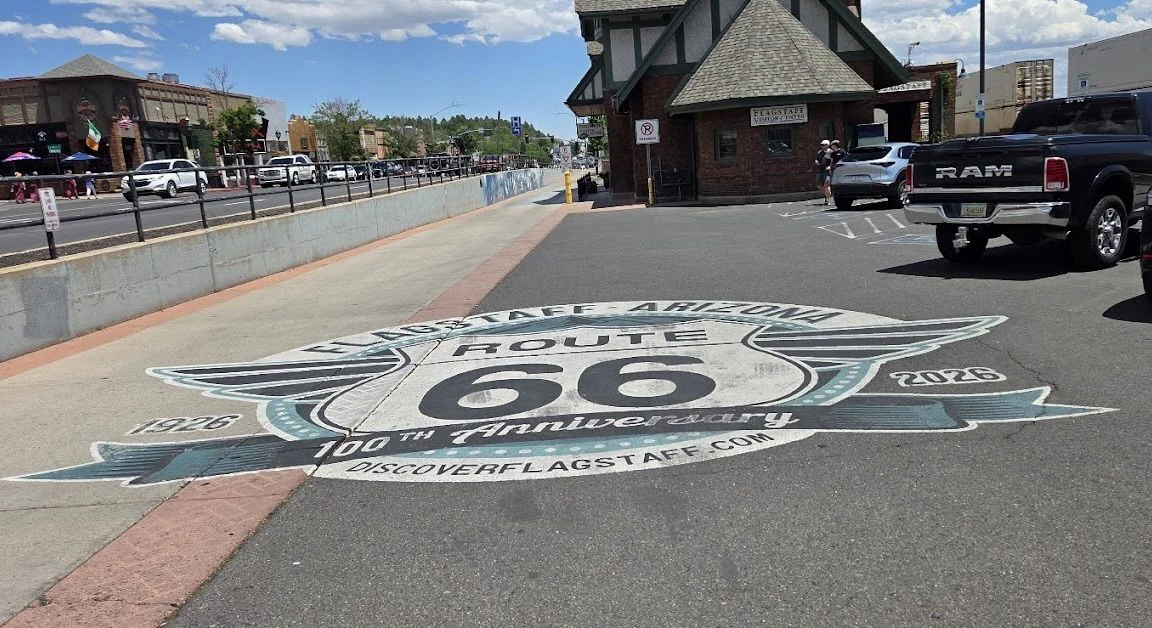
One of America's iconic road trip adventures is steps from your rental. Route 66-Flagstaff winds through mountain forests and offers a cooler, more scenic ride that feels unique on the Mother Road. Since it cuts through Downtown Flagstaff, you'll witness vintage neon signs and buildings from its heyday during the 1960s.
Long before Route 66 had its famous number, wagon trails and the railroad used the land. Those early paths set the stage for what would become America's "Main Street."
When the route was established on November 11, 1926, everything changed. During the Great Depression and the Dust Bowl, Route 66 became a highway of hope for families heading west in search of a better future. During this bleak time in history, the route earned the nickname "Mother Road" from John Steinbeck's 1939 novel, The Grapes of Wrath. In the book, Route 66 symbolized hope and opportunity, thus earning the famous moniker.
After WWII, the road took on a new life as station wagon-bound families headed up Route 66 for vacations to the Grand Canyon and beyond.
During its popularity in the 1950s, motels, diners, and service stations popped up to serve this travel boom. Many of these original places still stand, letting visitors step straight into the feel of mid-century road trip life.
When the interstate system began bypassing historic towns, people here refused to let their history fade away. Locals recognized how much the road meant, so they worked together to keep its spirit alive.
Their efforts paid off. Today, travelers find original pavement underfoot and a real sense of what travel felt like in the golden days of American road trips. The way Flagstaff protects its Route 66 story shows that you can move forward without leaving the past behind.
Route 66-Flagstaff: Fun Facts & Cool Features
A walk on this iconic roadway becomes tangible and interesting with the "Walk This Talk" audio tour. With an introduction by actor Ted Danson, who grew up in Flagstaff, you'll listen to stories at each stop by dialing a toll-free number. These recordings share bits of history, interviews, and moments that happened right where you're standing.
You'll find everything from tales about well-known travelers to local legends, connecting you to real people on your journey. You'll have a deeper appreciation for what makes this stretch of the Mother Road stand out.
Also noteworthy are the vintage neon signs that buzz with life at sunset. These original signs, like those at the Motel Du Beau, have lit up Route 66-Flagstaff since 1929. Thanks to the community's effort to restore and keep them shining, the roadside glows with vivid colors. Walking here feels like stepping onto a 1950s movie set, with each sign telling its own story.
The railroad and Route 66 go hand in hand here. The train depot, built back in 1926, sits right next to the highway. Standing at this historic spot and watching freight trains roll by gives a glimpse into the past when travel built the West. The visitor center offers maps, guides, and souvenirs, making it a must-stop for anyone curious about how trains and automobiles helped Flagstaff become what it is today.
When you're ready for a meal or cool drink, you're never far from a dining spot. Fat Olives sits on the iconic route, offering wood-fired pizzas, while MartAnne's Burrito Palace is a family-owned Mexican restaurant serving breakfast, lunch, and dinner.
Exploring Route 66-Flagstaff offers a closer connection to the heart of American culture. Alpine scenery and restored buildings set the scene, while stories along the way offer depth and realism.
As Nat King Cole and other bands and stars have sung, visiting this iconic roadway, you'll "Get your kicks on Route 66."
Local Tips
- Park at the Visitor Center to start the Walk This Talk route.
- Visit at twilight when the neon signs come alive with color!
- Combine your stroll with a meal at any of Flagstaff's restaurants.
- Check Flagstaff's events calendar for classic car shows.