




About
One outdoor landmark you need to add to your Temecula itinerary is the Santa Rosa Plateau Ecological Reserve. This 9,000 acre protected acre is filled with wetlands, wildlife, and historic adobes.
Long before settlers arrived, the Luiseño people lived on this land, drawing upon its resources for daily needs. For a more detailed look into the Luiseño Band, visit the Temecula Valley Museum.
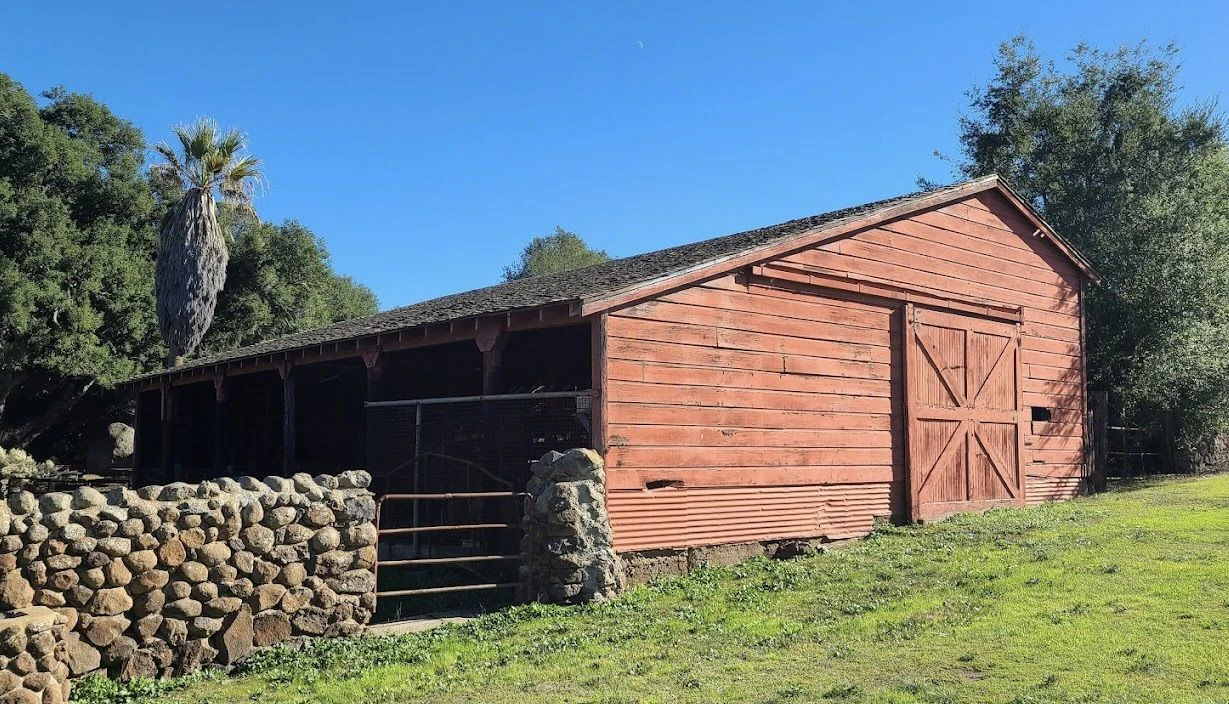
In the 1800s, European settlers arrived, and Juan Machado received the land by Mexican land grant in 1846. Soon afterwards, ranchers used the wide grasslands for cattle and sheep grazing. The Vail family became its owners in 1904 and ran a large cattle ranch for many years.
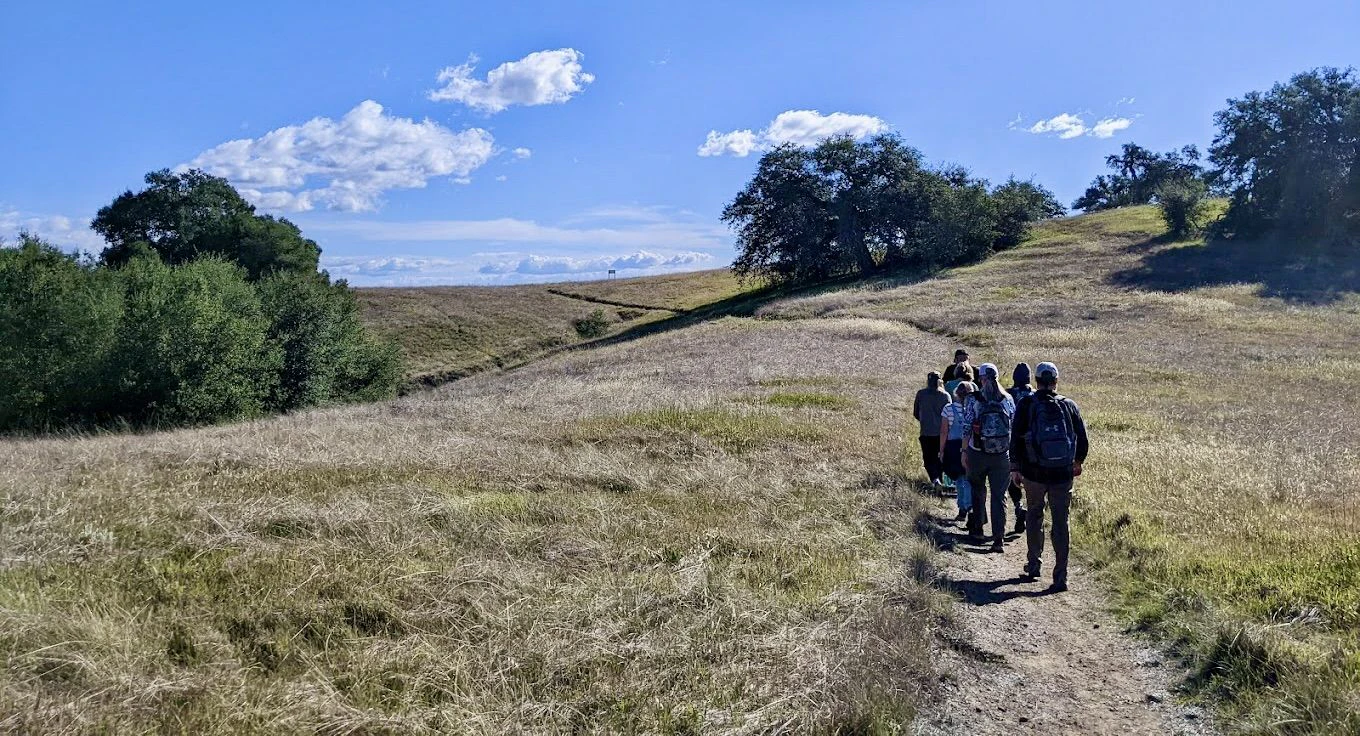
In 1984, the reserve was established to protect it from the rapid growth seen in Southern California. Here, you can walk through Engelmann oak woodlands, spot bright vernal pools, and see rolling bunchgrass prairies. Trails wind across the landscape, giving every visitor a chance to explore and learn along the way.
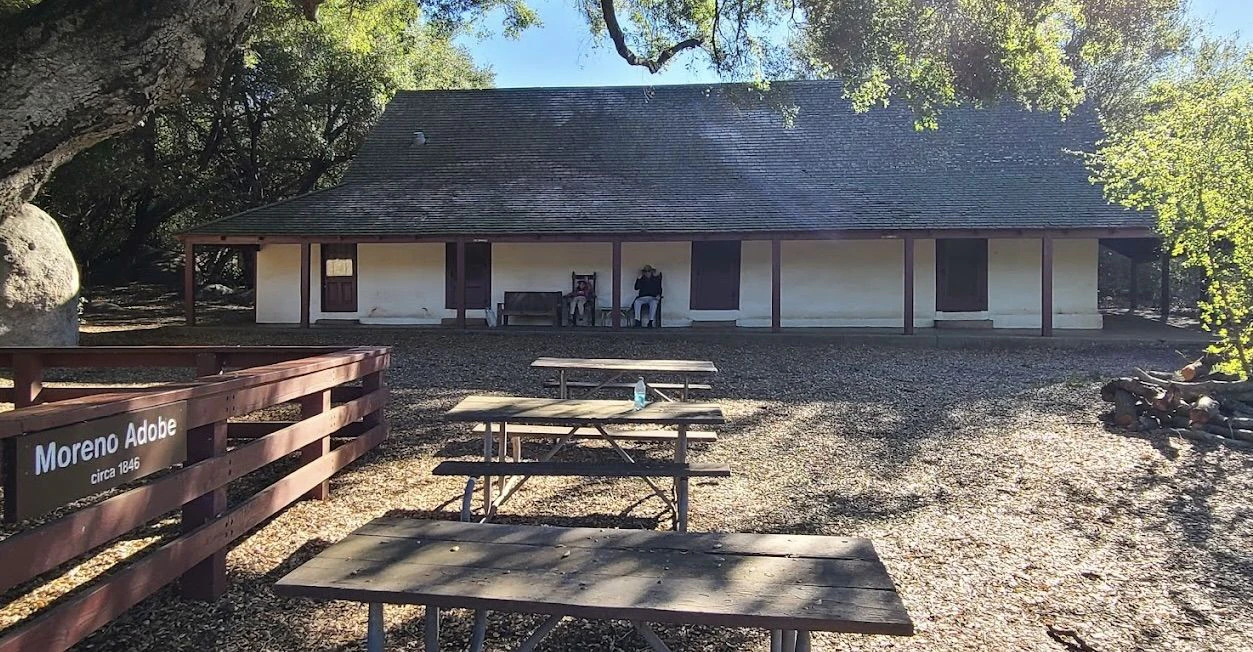
Throughout the reserve, you’ll discover history, like the Moreno and Machado Adobes. These are the oldest structures in Riverside County, dating back to 1846 when cowboys used them during cattle roundups. Hiking past the simple structures connect you to the landscape’s past.
Walk the trails here and you’ll notice oak trees giving shelter to birds and mammals alike. In spring, the grasslands come alive with wildflowers and migrating birds that catch the eye of seasoned birdwatchers.
The vernal pools fill with rainwater and become a haven for fairy shrimp that hatch when conditions are just right. Badgers, mountain lions, and coyotes move quietly across the landscape while red-tailed hawks and acorn woodpeckers perch overhead.
Every season brings a different look, painting the plateau in fresh colors. This place acts as a wildlife corridor, letting animals roam between habitats and supporting healthy populations.
Thanks to thoughtful management, the plants and animals here have a true home, one that will be waiting for the next generation of visitors who want to see California’s nature at its best.
Santa Rosa Plateau Ecological Reserve: Fun Facts & Cool Features
One of the first things visitors notice is the rare vernal pools. During winter and spring, these shallow pools fill with rainwater and become a haven for unusual creatures like the endangered Riverside fairy shrimp. These tiny shrimp lay eggs that can survive dry spells until the next rainy season, restarting their life cycle each year. Vernal pools are also home to western spadefoot toads, along with a variety of migratory birds that stop by as the pools come to life.
There’s something special about the native Engelmann oak trees. Santa Rosa Plateau Ecological Reserve is one of the few places left in Southern California where you’ll find these striking trees. Their leaves have a soft gray-green color, and their branches twist across the landscape. These oaks give shelter and food to many local animals. For centuries, their acorns fed Native American communities. Today, the shady canopies create pleasant trails for anyone exploring the reserve.
You’ll also find wide stretches of native bunchgrass prairies at the reserve. These long-lived grasses have deep roots that help hold the soil in place and guard against erosion. They offer hiding spots for small mammals and ground-nesting birds, making the prairies come alive with activity. The way all the plants and animals work together here shows just how tough and balanced a native ecosystem can be.
The historic adobes let visitors step back into 1800s ranching life. Built in 1846, the Machado and Moreno adobes are the oldest buildings still standing in Riverside County. Cowboys once rested here after long days working cattle, and today, you can still wander around these preserved mud-brick structures shaded by a massive 400-year-old tree. Walking the same grounds connects the present to a vivid, hands-on piece of the region’s past.
The trail system features 19 paths, ranging from easy to moderate. The Adobes via Transpreserve Trail is an easy 4.5 mile trek that should take about 1.5-2 hours to complete. You’ll pass through prairie and elfin forest vegetation and see the Moreno and Machado Adobes. These 1846 cowboy shelters are shaded by a 400-year-old tree and feature a unique picnic area.
The Vernal Pool Trail and Transpreserve Trail Loop is another easy hike, covering 3.3 miles with only 301 feet of elevation. The loop offers unobstructed views of the vernal pools, and takes an average of 1-1.5 hours to complete.
for every stretches for forty miles, giving plenty of room to explore. Hikers, mountain bikers, and horseback riders all have space on the marked paths. Some trails climb to higher ground and reward you with sweeping views of the mountains and valleys all around. Along the way, you’ll find signs that share facts about local plants and animals. Sylvan Meadows is a favorite spot for groups and families looking for a wide-open area to relax or play.
A trip to Santa Rosa Plateau Ecological Reserve is a choice that pays off. This peaceful stretch of land stands apart from the busy crowds found at other Southern California attractions. There’s something here for everyone—whether you’re passionate about nature, drawn to local history, or planning a family outing. Admission is easy on the travel budget, making it a smart pick for vacationers. Exploring these rare landscapes and historic buildings adds a whole new layer to what you know about California’s natural and cultural story.
Local Tips
- Bring exact change or small bills because the entrance relies on a self-service iron ranger pay station.
- Arrive in the morning during summer months to avoid extreme heat on the exposed trails.
- Download trail maps to your phone before arriving due to limited cellular reception in the reserve.
- Visit after heavy winter rains to experience the rare vernal pools at full capacity.
- Pack plenty of drinking water in reusable bottles as water fountains are scarce on the trails.