

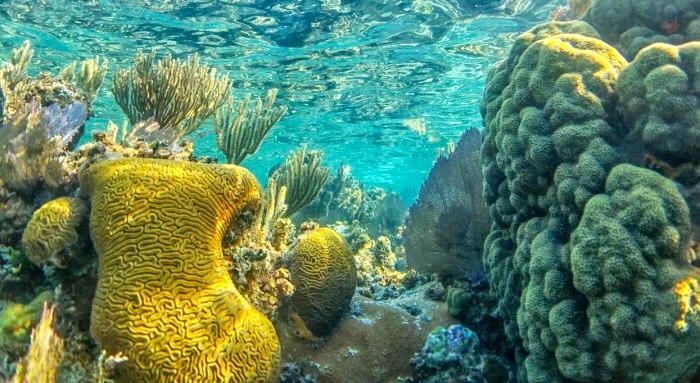
Belize Barrier Reef
The Belize Barrier Reef is the largest in the Western Hemisphere and the...


The Belize Barrier Reef is the largest in the Western Hemisphere and the...

The Xunantunich Mayan Ruins let you explore massive stone temples and palaces...
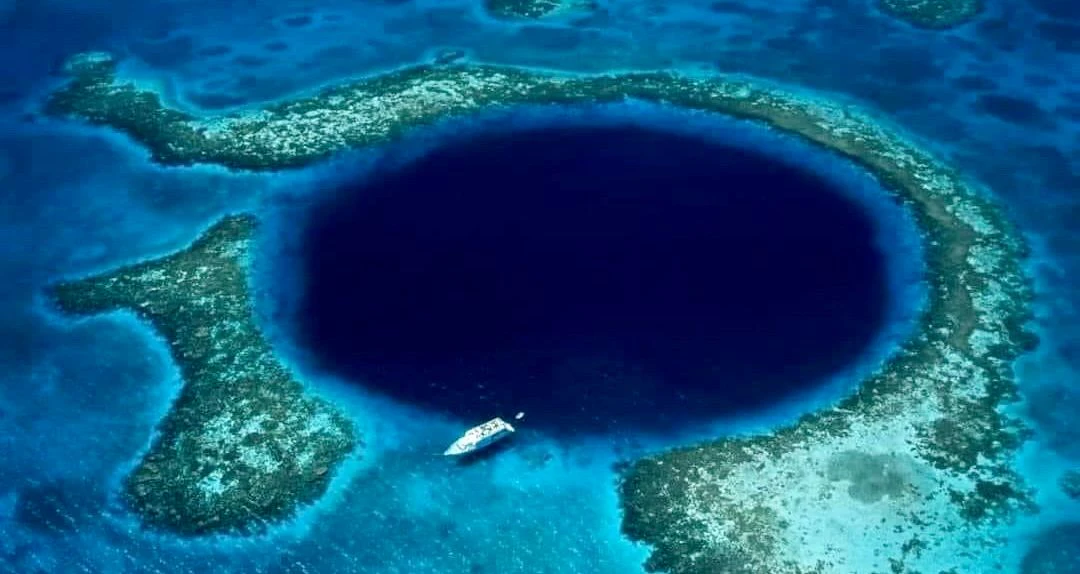
If you’re a scuba diver, you’re well-versed with Belize’s and the world’s most...

Jam-packed into 7,000 acres are hiking trails, wildlife, 300 species of birds,...

The name "Hol Chan" is Mayan for "little channel," which is what you’ll...
The most popular seasons are from mid-November through late March/early April, when sunny skies and ocean conditions are ideal for diving and exploring. Christmas, New Year’s, and Easter are peak times, with fewer crowds generally after Easter through mid-November.
Additional key dates to explore include Lobster Fest (June/July), the historic Cross Country Classic 140-mile Bike Race (Saturday before Easter), and the 4-day La Ruta Maya River Challenge, traditionally held around March 9th, Benefactors Day.
Most travelers fly into Philip S.W. Goldson International Airport near Belize City—direct flights run from several U.S. cities. From there, you can take a domestic flight, water taxi, or shuttle to reach the cayes and inland destinations.
Yes. U.S. and most international travelers need a valid passport to enter Belize. Many visitors can stay up to 30 days without a visa. Always check current entry requirements before booking your trip.
Yes - it’s safe! Belize provides a family-oriented, safe environment that fits perfectly in that sweet spot, offering diverse communities where you can live the simple life.
The gentle snorkeling areas, wildlife encounters, ziplining, and cave tubing make Belize popular with families. In fact, many resorts and vacation rentals cater to kids, while friendly locals make traveling with children comfortable and stress-free.
English is the official language and is spoken by most residents across the country, making it appealing to American travelers. Spanish, Belizean Creole, Garifuna, Maya languages, and even German (in Mennonite enclaves) are also spoken throughout the different communities.

Feel free to send us an email with any and all questions you might have regarding the start of a Casago Franchise!
We'd love to help answer your questions!