



About
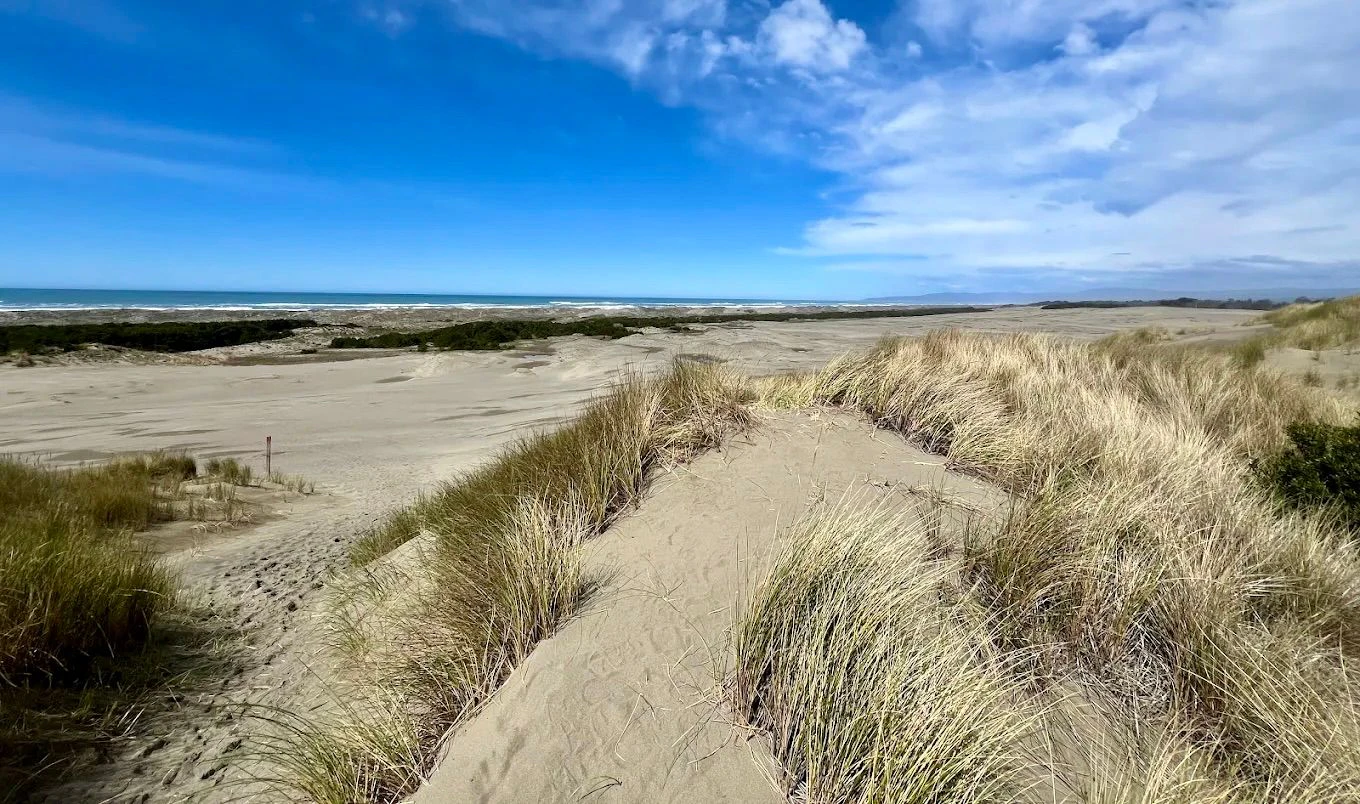
Wind whips across the sand, and the landscape changes from towering pines to vast stretches of coastal dunes. You could walk around Ma-le'l Dunes for hours and still see something new.
This natural wonder is managed by the BLM and the USFWS and is part of the Humboldt Bay National Wildlife Refuge Complex. It's a very dynamic area and has been restored to support the native vegetation and rare wildlife.
Ma-le’l Dunes has a long history of cultural and ecological significance. For thousands of years the Wiyot people lived and gathered along these shores. The preserve is now split into two areas: Ma-le’l North, which is open to hiking, horseback riding, and nature walks, and Ma-le’l South, which is a protected area for sensitive habitat, research, and conservation.
Over the years, restoration work has brought back the rare Humboldt Bay wallflower and established healthy populations of coastal birds, butterflies and amphibians.
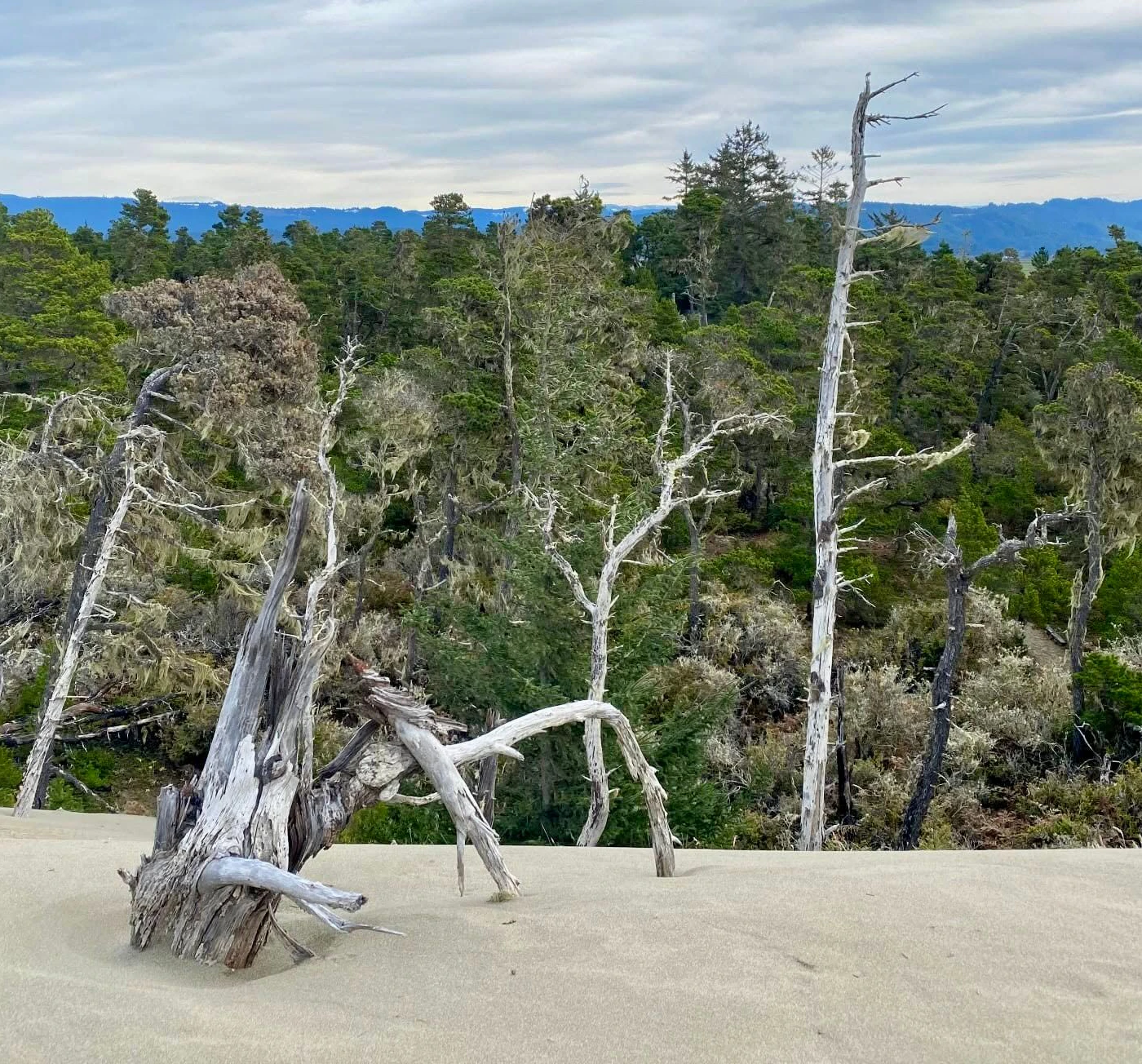
The trails take you through a very diverse range of habitats indeed: Sitka spruce forest, open sand dunes, freshwater wetlands and a lovely stretch of quiet beach littered with driftwood. It's a great spot for birding, spotting wildflowers, and quiet walks beside the ocean, making Ma-le ‘l Dunes a highlight of the Redwood Coast.
Ma-le’l Dunes: Fun Facts & Cool Features
One of the most impressive things about Ma-le’l Dunes is the sheer variety of habitats crammed into such a small area. You can start your hike in a shady forest, come out onto the sun-baked dunes, and finish with your feet in the surf all within a couple of miles.
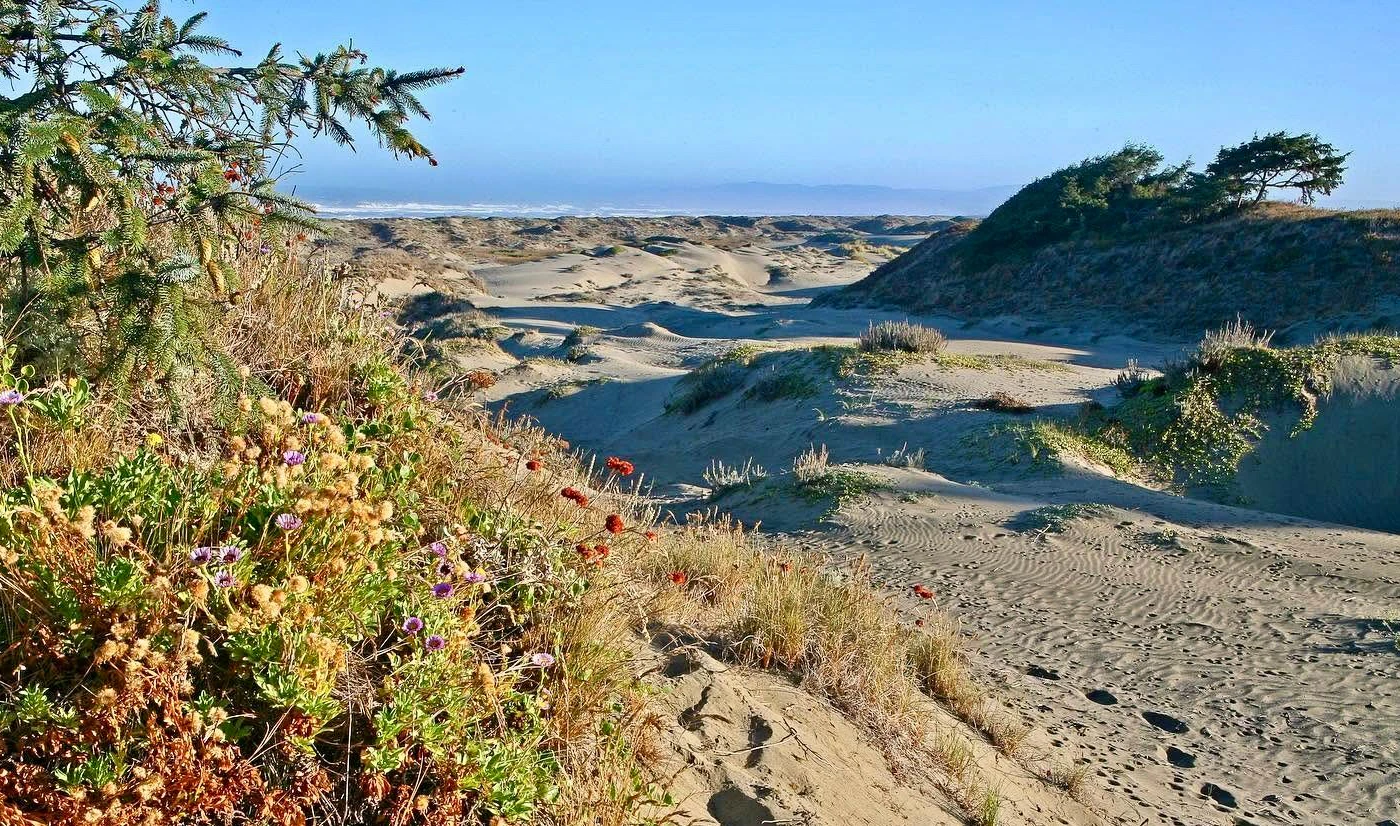
The dunes themselves can be as high as 60 feet and create a spectacular rolling landscape which is very much worth climbing and photographing.
Look out for wildlife en route. It's a birding hotspot, particularly during migration, when you might see warblers, wrens, and indeed a rare snowy plover. In spring and early summer, the dunes are a riot of color with the yellow Humboldt Bay wallflower and the pink beach strawberry amongst the wildflowers. There are also some very rare insects and butterflies here which are found almost nowhere else.
Ma-le'l North permits horseback riding (an absolutely fantastic way to get around if you have a horse or are on a riding tour). The southern section is managed for habitat protection, and entry is restricted to research and scheduled tours, which in turn ensures that the most sensitive of plants and animals have the space they need to flourish.
There are interpretive signs along the trails telling the story of dune formation, Wiyot history, and the ongoing restoration work.
Ma-le’l Dunes offers both adventure and peace. You can climb a dune for the views, picnic in the forest, or relax on the beach and listen to the waves. Discover for yourself why it's a must-visit on any Redwood Coast trip.
Local Tips
- Wear sturdy shoes as the sand and forest can be uneven and even muddy.
- Check the tides before you go; high tides can restrict access to certain areas.
- Respect the restoration zones and stick to the marked trails.
- Ma-le'l North is open for hiking, horseback riding, and leashed dogs; Ma-le'l South is closed to pets and bikes.
- Bring water, snacks, and a windbreaker; there are no on-site services or facilities.