



About
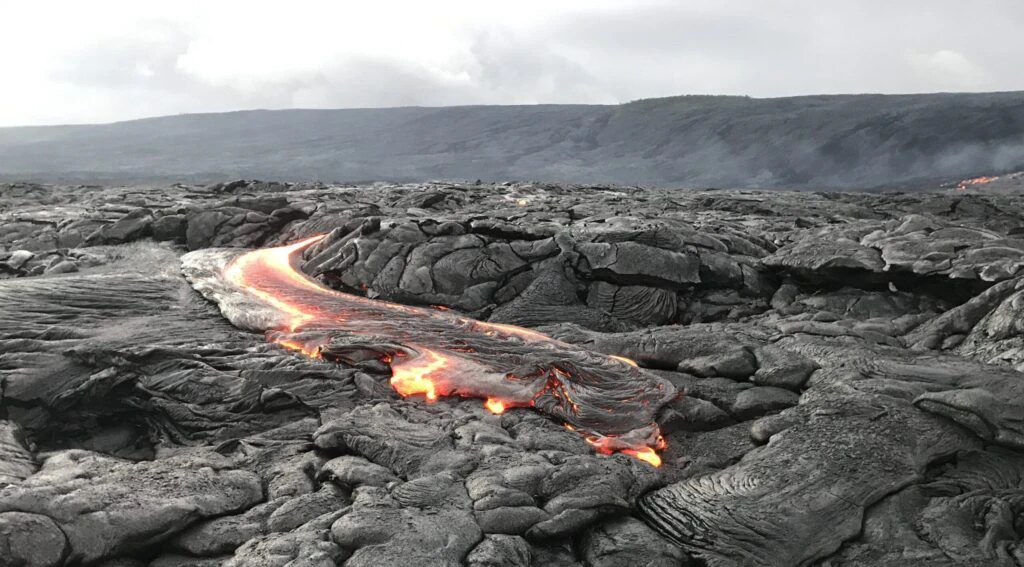
Imagine lava fields as far as the eye can see, steam rising from fissures, molten lava popping here and there. No, this isn't a scene from a SciFi movie but an experience waiting at the Hawaiʻi Volcanoes National Park.
Nature's power, wonder, and beauty take center stage at the Hawaiʻi Volcanoes National Park, established in 1916. The park is one of the largest National Parks, with a sprawling area of 335,259 acres. That converts to about 523 square miles, almost the size of the island of Oʻahu!
Its crowning glory is the summits of two of the world's most active volcanoes: Kīlauea and Mauna Loa. These monumental forces of nature are also a significant part of the area's cultural fabric.
Hawaiian communities have revered these volcanoes as sacred grounds, and they play a crucial role in their mythology and folklore. To learn more about Hawaiian customs and beliefs, visit the Kamakahonu National Historic Landmark and Kaloko-Honokōhau National Historical Park.
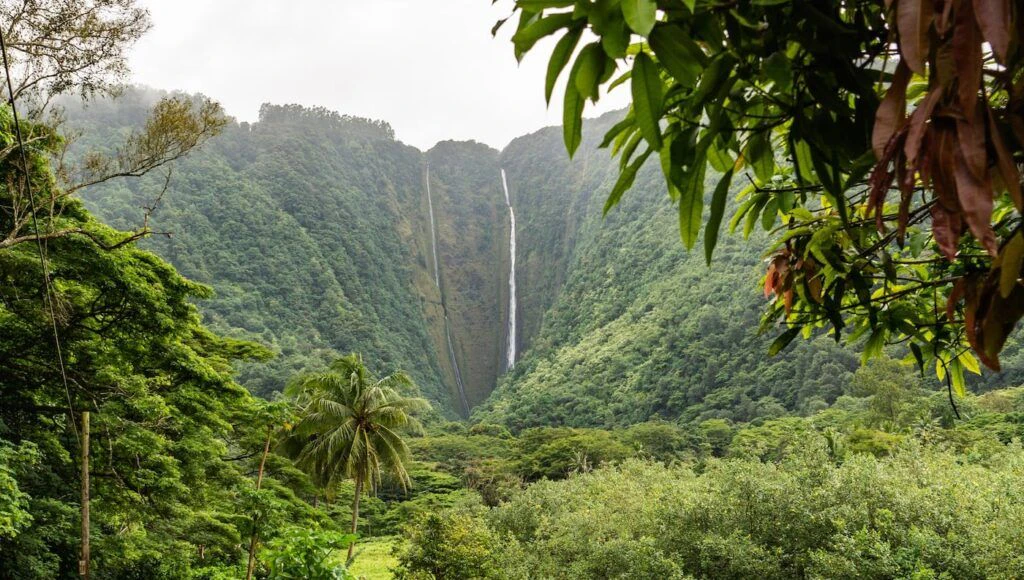
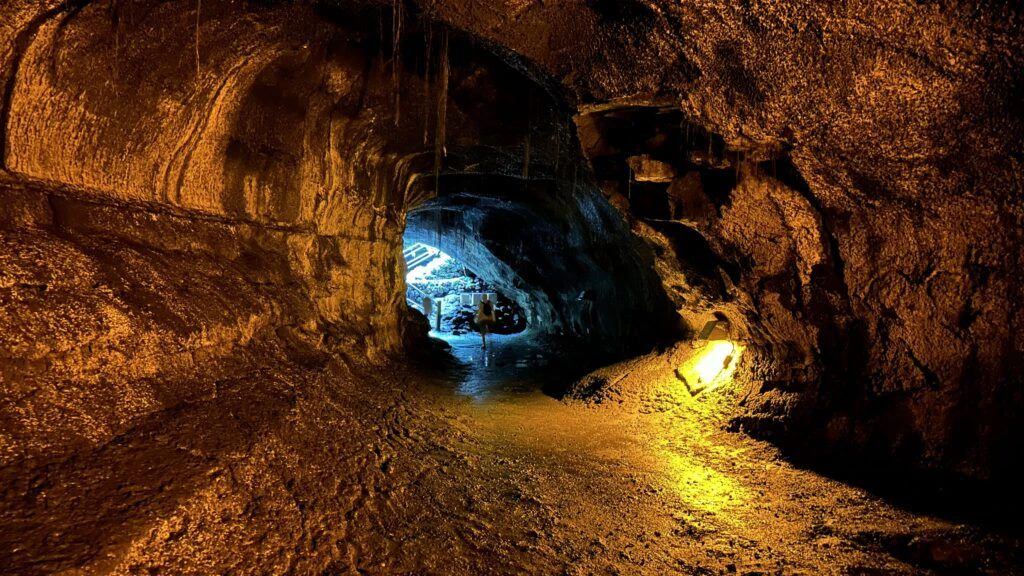
Visitors will witness diverse landscapes from sea level to 13,680 feet. Its unique topography offers an unrivaled opportunity to explore the volcanic landscapes, rainforests, and arid deserts. The park is also home to several endemic species, contributing to the region's rich biodiversity.
On the Big Island, nothing compares to the other-worldly experience at Hawaiʻi Volcanoes National Park.
Hawaiʻi Volcanoes National Park: Fun Facts & Cool Features
A cool feature is the Hawaiʻi Volcanoes National Park is open 24 hours a day, 365 days a year. This accessibility allows visitors to experience the park during vibrant daytime and serene nights to witness glowing lava.
The Kilauea Visitor Center on Crater Rim Drive is an excellent starting point for any visit. You can learn about the park's geology and ecology and get tips on making the most of your trip.
The park's diverse landscape offers various activities, from hiking and camping to bird-watching and stargazing. The park has over 150 miles of hiking trails that range from easy walks to more challenging treks.
Some trails lead to the summits of the active volcanoes, offering a unique opportunity to witness volcanic activity up close. If you seek a trail closer to Kailua-Kona, explore the Makahi St Trailhead. It offers a challenging trek in the rainforest and connects with other trails.
Another fascinating aspect of the park is its rich cultural heritage. The park protects several archaeological sites, including ancient petroglyphs and historic structures.
These sites provide a glimpse into the lives of the native Hawaiian people and their deep connection with the land and the volcanoes.
The Hawaiʻi Volcanoes National Park is an experience not to miss when vacationing on the Big Island. With majestic volcanoes, diverse landscapes, rich biodiversity, and cultural heritage, you can immerse yourself in the wonders of nature and the richness of Hawaiian culture.
Local Tips
- The park is open 24 hours a day, but the most popular time to visit is during daylight hours.
- The weather can vary significantly within the park, so dress in layers and bring rain gear.
- Stay on marked trails to ensure your safety and to protect the park's fragile ecosystem.
- To comprehensively understand the park's geology and ecology, start your visit at the Kilauea Visitor Center.
- Be prepared for long waits at the entrance station and congestion on roads and popular trails.